Introduction
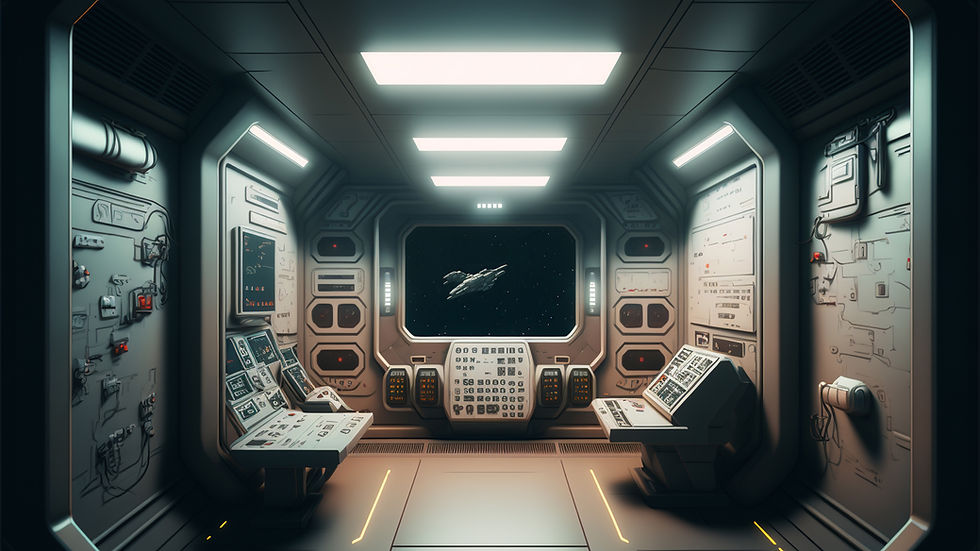
To Be Dismantled was my Sophomore project. It's a short narrative-driven game where you play as a small robot stranded on an alien planet, trying to repair a failing spaceship.
Every repair costs you something: you have to sacrifice your own parts to restore the ship’s critical systems.
My Roles:
I worked as Technical Design, Narrative Design, and UX Design, and my main responsibility was making the “repair = sacrifice” idea land as a complete experience.
Technical Design: implemented key control changes after each repair, plus core level tech components (like in-world countdown screens) that support pacing and rules.
Narrative Design: planned the progression structure—what you lose at each repair, why it matters, and how the level flow and environments adapt to those losses.
UX Design: designed level-based guidance (lighting, obstacles, route framing) to keep navigation readable inside a complex spaceship, especially as controls become increasingly unreliable.
Technical Design
Player Control Systems & Level Architecture
Core loop is "fix the ship by sacrificing yourself," so every lost ability had to register as a felt shift in how the game plays, not just a stat change
Built the player control system and the mechanical changes that trigger after each repair
Built level tech components for pacing and urgency, including an in-world countdown screen that shows the ship's critical state without a detached HUD
System Design
Repair & Ability Loss as Mechanic
Ties every narrative beat directly to a mechanical consequence, no cutscenes or exposition
Shows the robot's deterioration by removing abilities one by one, with the world responding immediately
Each repair is both progress and loss, so moving forward keeps getting harder
Narrative Design
Environmental Storytelling & Progressive Deterioration
Repair 1: disables the robot's jump, forcing a complete rethink of traversal
Repair 2: damages the treads, making movement unstable and causing the robot to sway
Final repair: shifts the world into black-and-white, turning the last stretch into a fragile, bleak ending beat
UX Design
Environmental Guidance & Spatial Readability
Lighting cues highlight intended routes and landing spots
Obstacles and framing subtly funnel players toward the correct path
Clear silhouettes and safe zones support quick decisions even as movement grows unreliable